

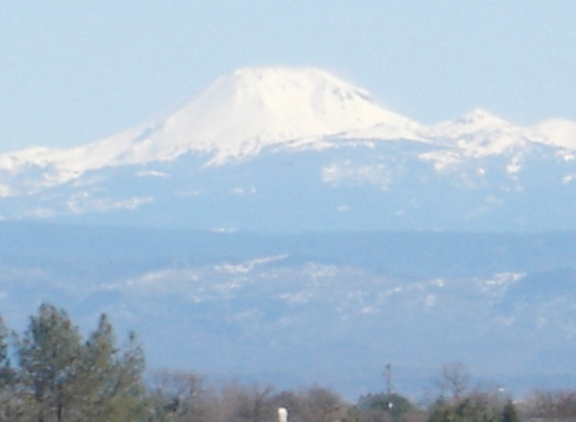

Levers
There are three classes of levers, depending on where the load and effort are located compared to the fulcrum. Each type of lever has its own uses and advantages.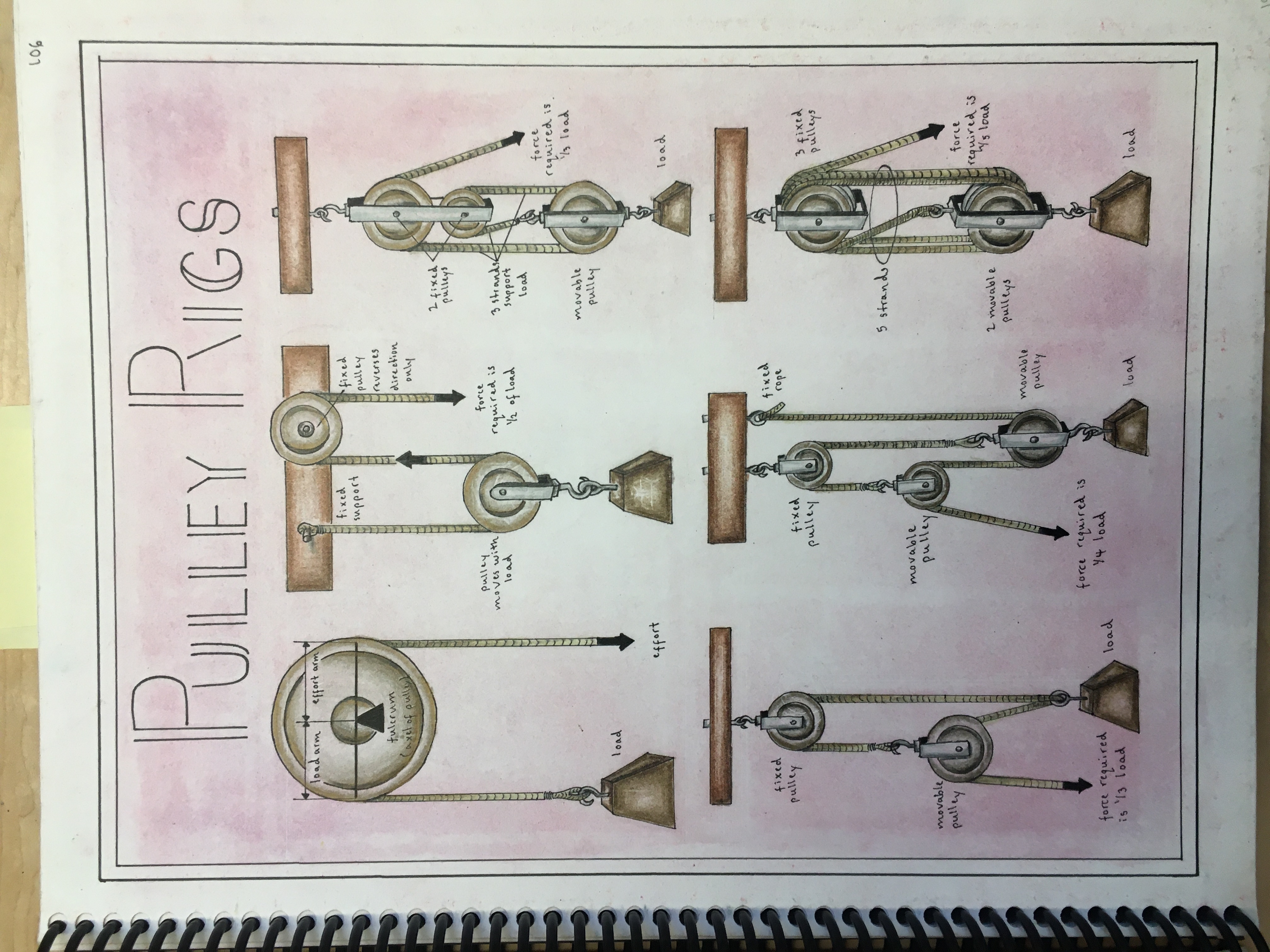
Pulleys
A pulley is collection of one or more wheels over which a rope is looped. The arrangement makes it easier to move and lift heavy objects.
Bridge Videos
Verrazzano Narrows Bridge (New York) Swaying in high winds on Monday November 30 2020 (00:38)
Tacoma Bridge (4:12)
10 Bridge Failures Explained (11:06)
China’s Bridges (3:44)
Bridges
Main Lesson Page Requirements
- Title: Bridges
- Summary: Using your class notes, write a summary of the engineering challenges and solutions in bridge building. Challenges to consider include:
- Design and cost limitations
- Intended usage constraints
- Wind and vibration
- Weight and strength vs. flexibility
- Length and height of span
- Construction logistics (availability of skills, equipment and supplies)
- Environmental constraints (terrain, access, weather, etc.)
- Material fatigue vs. intended lifetime usefulness
- Illustration: Draw one of the bridges we study, and label key elements of it’s design that demonstrate how engineers solve common bridge building challenges.
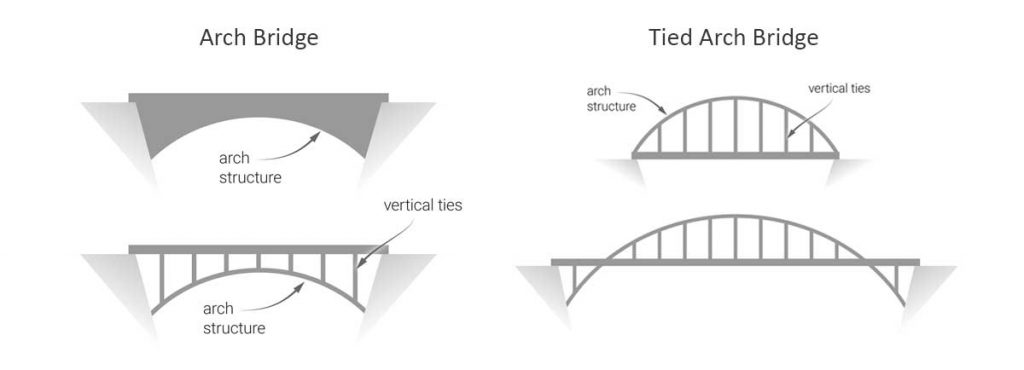
Types of arch bridges
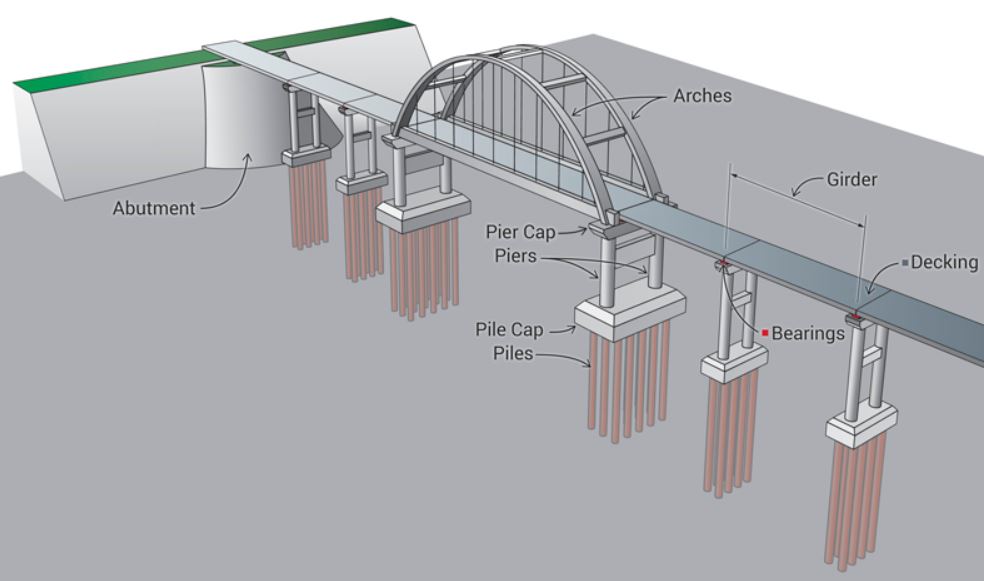
Parts of a Bridge

Bridge of Sighs

Ponte Vecchio Bridge, Florence

Gaoliang Bridge (Arch)
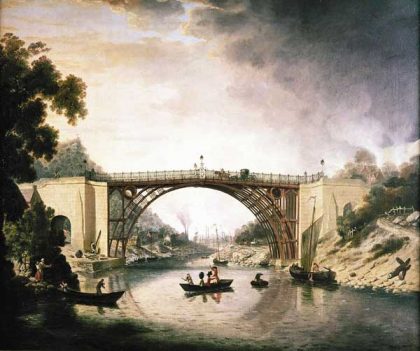
William Williams painting of an Iron Bridge
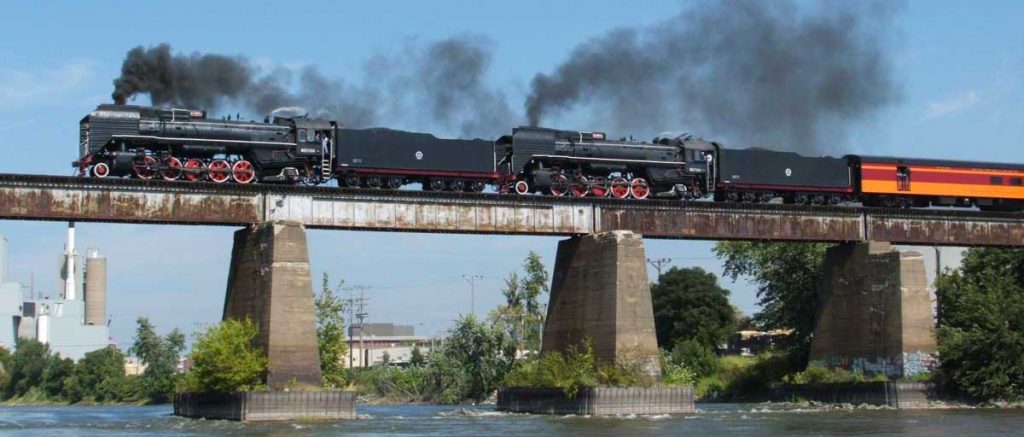
Iowa River Bridge
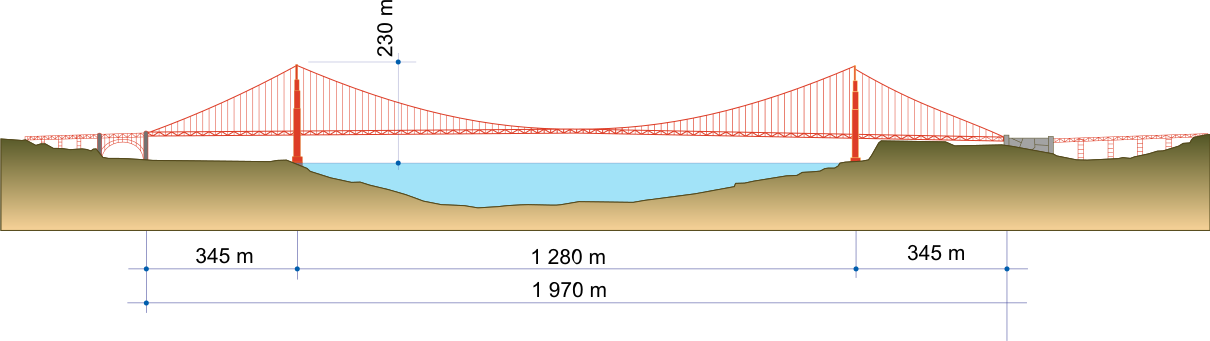
Golden Gate Bridge (Suspension)
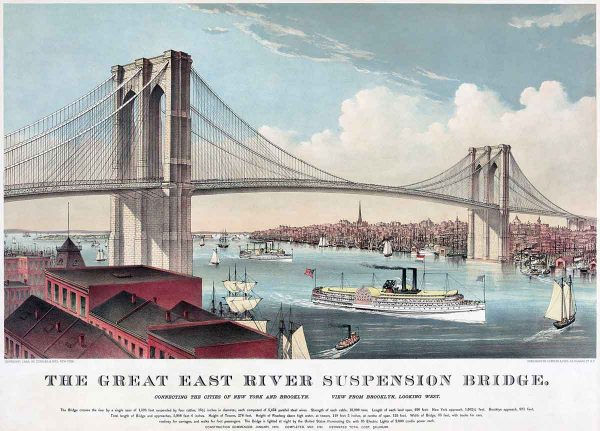
Suspension Bridge

Cantilever Bridge

Francis Scott Key Bridge

Suspension-Beam Bridge
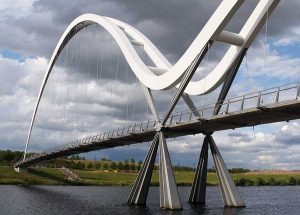
Infinity Bridge (Suspension)

Zhangjiajie Glass Bridge
Sources
Electromagnetism
The electromagnetic force is a mysterious field that is essential to everything we know. It seems to be composed of two fields—the electric field and the magnetic field.
We understand surprisingly little about electromagnetic energy, despite the fact that we are utterly reliant on it for everything from the electrical impulses in our brain and nervous system to global wireless communication systems. It holds all matter together. It causes all chemical reactions, and it creates the visible radiation that we call light and color.
The Scientific Method
Choosing What To Believe
We live in a complex world, a nd it’s not easy to know what is absolutely true. History is filled with examplpes of ideas that some people believed that were in fact not even close to the truth. We are influenced by unconscious assumptions, anecdotal stories, wishful thinking, clever arguments, well-phrased half-truths, appeals to authority, and “big lies” repeated too often. The scientific method is one way to try to discover some truth within the confusion. But it’s important to understand how the method works. The scientific method does not automatically make prejudice, bias and confusion disappear. We still need to do our own honest and careful thinking. Statements such as “scientists say”, “science has proven”, or “three out of four scientists believe” should be viewed with skepticism. Although they speak about scientists, they are not actually scientific statements. In science, only the evidence matters.

Origami Mobile
How to make a mobile with origami cranes.Six Simple Machines
Simple machines are devices with no—or very few—moving parts.Sound G7
- Vibrations cause waves in a medium, and sound is transported by the vibrations.
- Sound requires a source, a medium and a receiver.
- A wave can be thought of as energy traveling through a medium.
- Sound waves are compression waves or longitudinal waves, which are made of vibrating particles that bump into other particles, causing those particles to vibrate and bump into more particles, and so on.
- We hear sounds because vibrations in the air cause our ear drums to vibrate.
- Amplitude is a measure of height of the wave on a graph from the middle to its highest point.
- Frequency is the time that passes between two wave peaks. The frequency of a wave refers to the number of cycles per second.
- Frequency is easily confused with speed. A wave can vibrate very frequently, yet travel at a small speed through a medium, or a wave can vibrate with a low frequency, yet travel at a high speed through a medium.
- The speed of an object refers to how fast it moves in a set amount of time, such as 5 miles/hour. The speed of a wave is the distance a given point on the wave (such as the crest) travels through a medium in a set amount of time.
- Hertz (Hz) is mathematical unit for frequency where 1 Hz = 1 cycle per second.
- Sound travels a different speeds in different conditions. We usually think of the speed of sound in air. However, the speed of sound varies from substance to substance. Typically sound travels most slowly in gases, faster in liquids, and faster still in solids.
- Sound travels at 343 m/s in air in ideal conditions, it travels at 1,481 m/s in water (almost 4.3 times faster) and at 5,120 m/s in iron (almost 15 times faster). In an exceptionally stiff material such as diamond, sound travels at 12,000 metres per second (39,000 ft/s),—about 35 times its speed in air and about the fastest it can travel under normal conditions.
- Reflection phenomena (or echos) are commonly heard with sound waves. We can use echos to measure distance, for example in auto-focusing cameras.
Newton’s Cradle
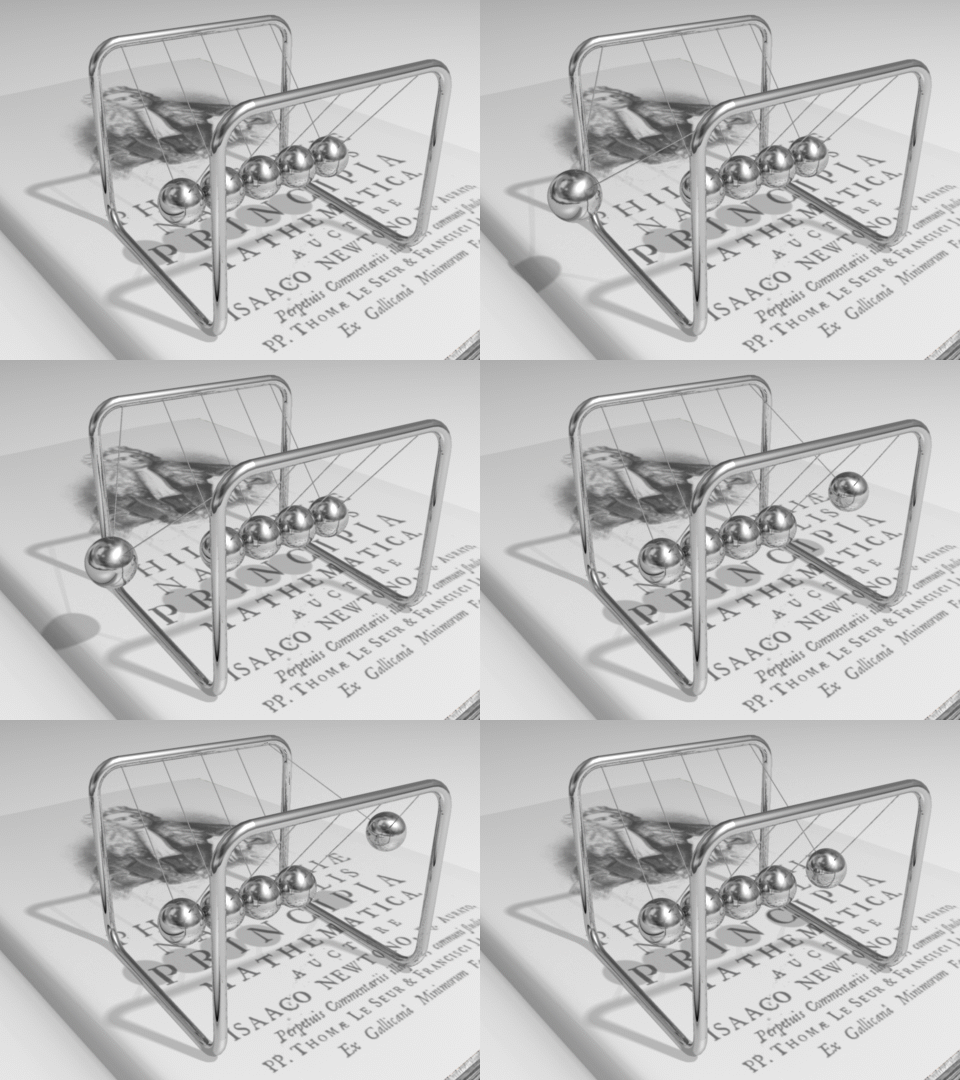
Vibrations and Waves
Sound is all about vibrations. To make a sound, there needs to be a source—something that vibrates—whether it’s a musical instrument, the larynx (voice box) of a person, or the movement of Tectonic Plates. But there’s more to it than that.